


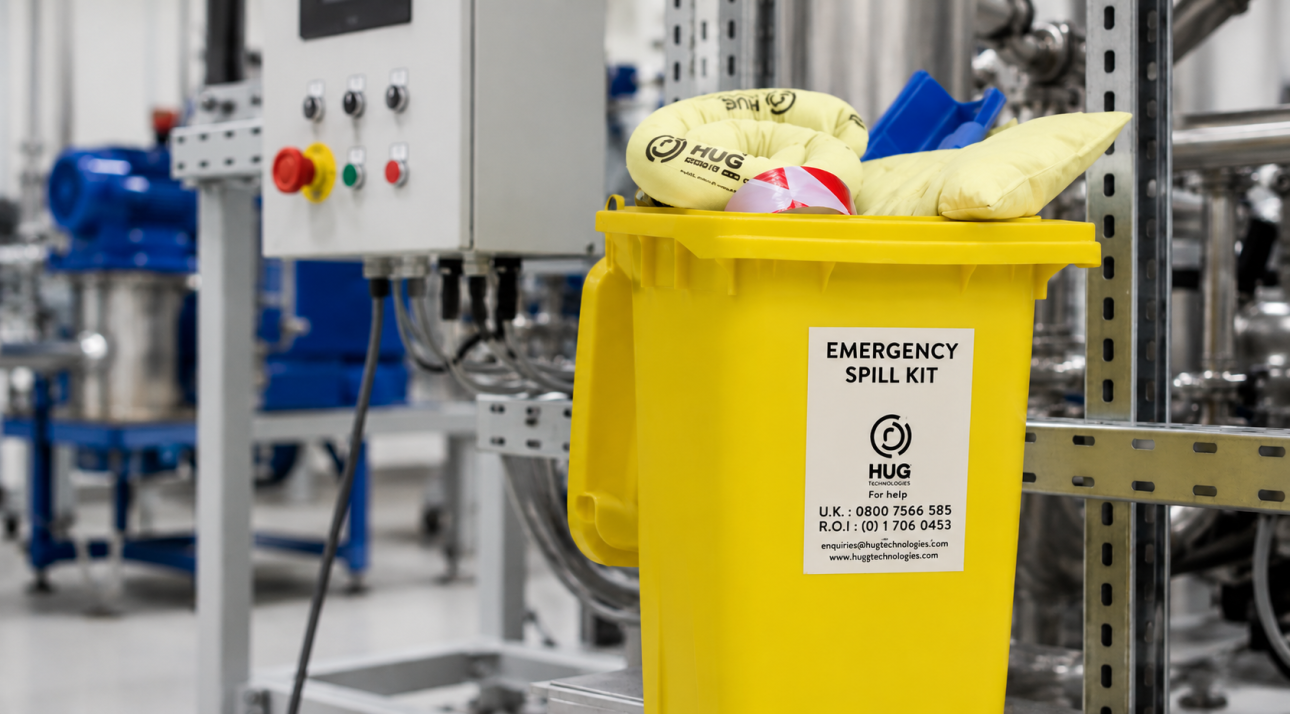
Many businesses invest in spill control equipment, simply having a spill kit on site isn't enough. Without the right preparation, training and procedures, even a small spill can quickly become a safety hazard, cause environmental damage and lead to costly clean up operations or regulatory action.
First… What's in a Spill Kit?
A spill kit is designed to help contain, absorb and safely dispose of accidental spills before they spread. The exact contents vary depending on whether it's an oil-only, chemical or general-purpose spill kit, but most include:
- Absorbent pads for soaking up liquids
- Absorbent socks or booms to contain spills
- Absorbent pillows for larger leaks
- Disposable gloves and PPE
- Waste disposal bags and ties
- Spill response instructions
Selecting the correct spill kit for the liquids used on your site is the first step towards effective spill response.
Top 5 Spill Control Mistakes Businesses Make
1. Choosing the Wrong Spill Kit
Not all spills are the same. Using an oil-only kit on chemicals, or relying on a general-purpose kit for hazardous substances, can make clean-up ineffective and potentially dangerous.
How to avoid it:
Carry out a site risk assessment and identify every liquid stored or used on-site. Ensure the correct spill kits are available in suitable sizes and quantities for each area.
2. Storing Spill Kits Too Far Away
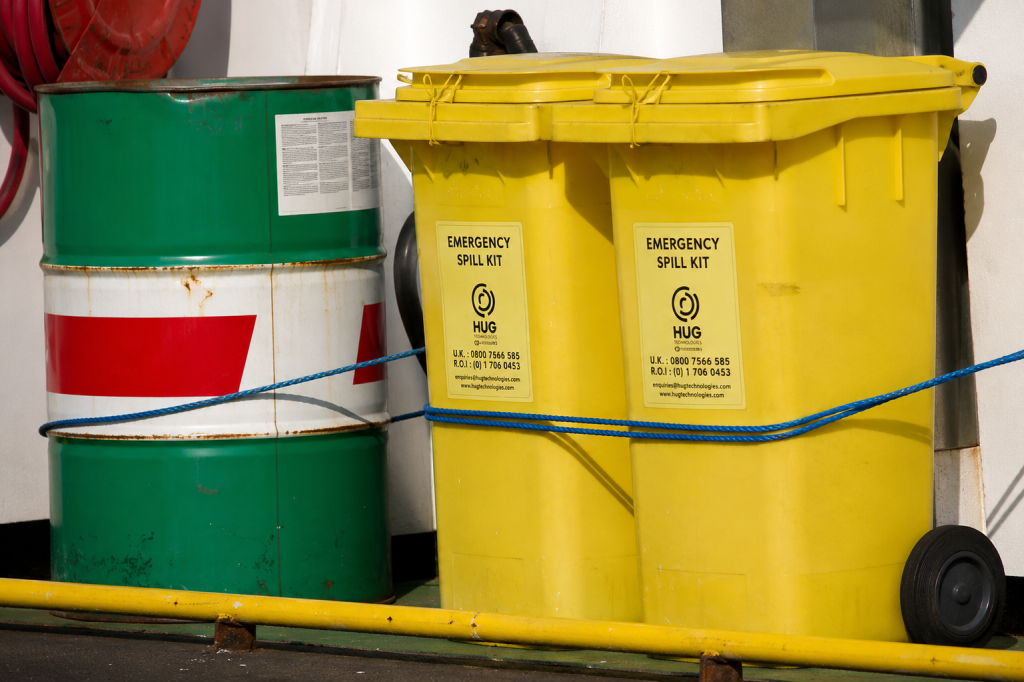
When a spill occurs, every second counts. If spill kits are locked away or located on the opposite side of the building, valuable time is lost while the spill continues to spread.
How to avoid it:
Position spill kits beside high-risk areas such as chemical storage, fuel tanks, loading bays, maintenance workshops and production lines. They should always be clearly visible and easy to access.
3. Not Training Employees
One of the biggest causes of poor spill response isn't the equipment—it's uncertainty. Employees who don't know how to use a spill kit may hesitate or respond incorrectly.
How to avoid it:
Provide regular spill response training so staff understand how to:
- Assess the spill safely
- Protect themselves with PPE
- Stop the source if safe to do so
- Contain the spill
- Dispose of contaminated absorbents correctly
4. Failing to Inspect and Restock Spill Kits
After a spill has been cleaned up, absorbents and PPE are often not replaced, leaving the kit incomplete when it's needed next.
How to avoid it:
Include spill kits in routine workplace inspections. Replace any used or damaged contents immediately and check expiry dates where applicable.
5. Focusing on Clean-Up Instead of Prevention
Many businesses only think about spills after they've happened. In reality, preventing spills is far more effective than cleaning them up.
How to avoid it:
Reduce the risk by investing in preventative solutions such as:
- Spill pallets
- Drip trays
- Bunded storage units
- Hazardous substance storage
- Proper drum handling equipment
A proactive approach significantly reduces the likelihood of environmental incidents and costly downtime.
What Does the Guidance Say?
In the UK, employers have a legal responsibility to prevent pollution and manage hazardous substances safely. Guidance from the Health and Safety Executive (HSE) and the Environment Agency recommends that workplaces handling oils, fuels or chemicals have suitable spill response equipment readily available, ensure employees receive appropriate training, and implement measures to prevent spills wherever possible.
Businesses should also regularly review their spill response procedures, inspect spill control equipment and ensure contaminated waste is disposed of in accordance with environmental regulations. Having the correct spill control products in place is not only good practice but it also helps demonstrate compliance with health, safety and environmental legislation.
How Hyde Park Environmental Can Help
At Hyde Park Environmental, we understand that every workplace has different spill control requirements. That's why we supply a comprehensive range of spill response and spill prevention solutions to suit every industry.
From oil, chemical and general-purpose spill kits to spill pallets, absorbents, drip trays, hazardous storage units and bunded storage, our products are designed to help businesses stay safe, compliant and prepared.
Whether you're reviewing your current spill control strategy or equipping a new site, our experienced team can help you select the right products for your workplace.
Need advice on the best spill control solution for your business? Contact Hyde Park Environmental today or browse our full range of spill control products online.