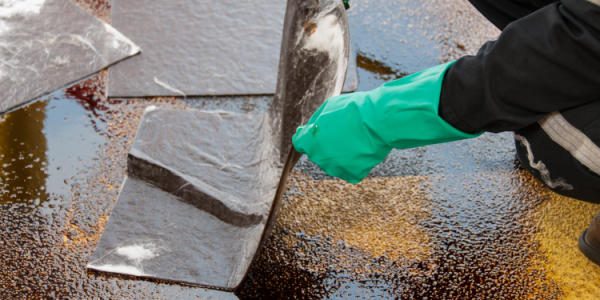
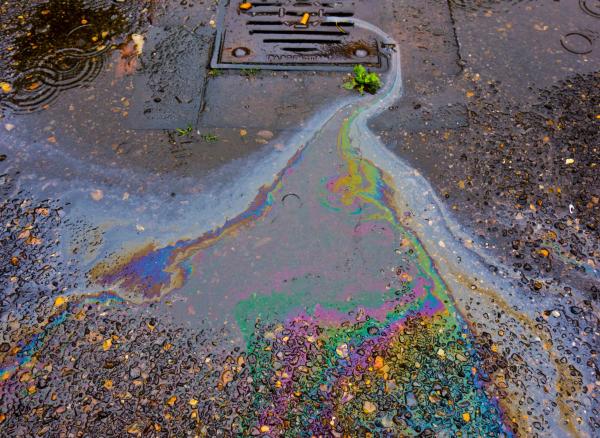
Safety and hygiene are critical in food and beverage manufacturing. With strict regulations, frequent audits, and fast-paced production environments, even small issues can quickly become serious risks. One area that is often underestimated is effective spill control through absorbents. Oils, fats, syrups, water, cleaning chemicals, and lubricants are all part of daily operations. What matters is how quickly and effectively...
At Hyde Park Environmental, we supply a wide range of absorbent solutions designed to help businesses respond quickly, safely and compliantly. Spills can happy at any time; whether the liquid is water, oil, fuel or chemicals, having the right absorbents in place is essential for effective spill control and containment, protecting people, property and the environment. What Are Absorbents and...
In engineering facilities where oil and liquids are essential to daily operations, the risk of leaks and spills poses serious safety, environmental, and regulatory challenges. Oil spills can damage equipment, create slip hazards for employees, and lead to costly downtime and fines if not addressed proactively. That’s why modern engineering solutions focus on integrated spill prevention and containment systems designed...
In fast-paced engineering environments, even a minor spill can escalate into a costly hazard. Whether it's an oil leak inside a facility or a chemical spill on a construction site, engineers face a daily responsibility: ensure that spill control is not just a reaction—but part of the plan. At Hyde Park Environmental, we understand the demands placed on modern engineers...
With increasing pressure to meet environmental standards and reduce emissions, UK aerospace facilities are under greater scrutiny than ever before. From manufacturing to maintenance, every process must now demonstrate a commitment to sustainability — without compromising performance, safety, or innovation. To meet these challenges, it’s crucial to integrate eco-friendly solutions that minimise waste, prevent pollution, and support compliance with strict...
When it comes to health, safety, and environmental compliance, non-compliance is one of the costliest mistakes a business can make. At first glance, prevention measures — such as spill kits, secondary containment, or staff training — can seem like unnecessary overheads. In reality, prevention is always more affordable, sustainable, and responsible than dealing with the aftermath of a spill, leak...
Spill containment is a critical consideration in every engineering project, from infrastructure and manufacturing facilities to energy and construction sites. Engineering operations often involve the use of fuels, oils, and hazardous chemicals, all of which present risks if not stored and managed responsibly. Without effective spill control, a single incident can result in environmental damage, safety hazards, costly clean-ups, and...
Businesses today face the constant challenge of balancing productivity, safety, and compliance. At Hyde Park Environmental we provide that balance. We know that every business inside the UK and Ireland have unique operational pressures. That's why we tailored a wide range of solutions for your specific requirements. Every year thousands of workplace accidents happen due to unsafe manual handling. The...
A spill kit, absorbent pads and a spill plan is not just what you need for avoidance. Knowledge, key products for your industry, a regularly updated spill response plan and prior training are all necessary for avoiding spills. At Hyde Park Environmental, we’ve worked across multiple industries—pharmaceutical, aerospace, logistics, food and beverage, and engineering—and witnessed common mistakes that compromise spill...
From 6th April 2022 employers' responsibilities for PPE are changing. As a result of these changes duties will remain the same. However, obligations are now extended to protect more workers. This will likely have a significant effect on costs and resourcing for many employers who may be affected. Keep reading to find out firstly what these changes mean for you...
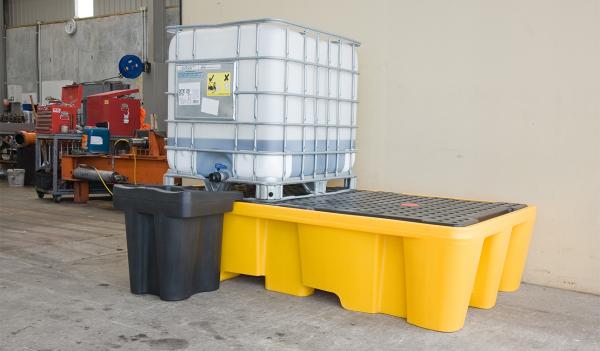
Secondary containment can come in many different forms, it is typically used on-site as a second line of defence in the event of the primary container of a hazardous substance failing. It is intended to prevent, control or mitigate major hazards. Accidents happen - having the right spill containment means that an unpleasant surprise won’t turn into an expensive...
What is a compliance audit? A compliance audit is a systematic examination of a company’s conformity to certain benchmarks established by a regulatory authority. An auditing team conducts compliant audits to assist the organisation in standardizing procedures, identifying organizational gaps, and mitigating risks. Compliant audits are essential for businesses to ensure that they are complying with legal standards or are...
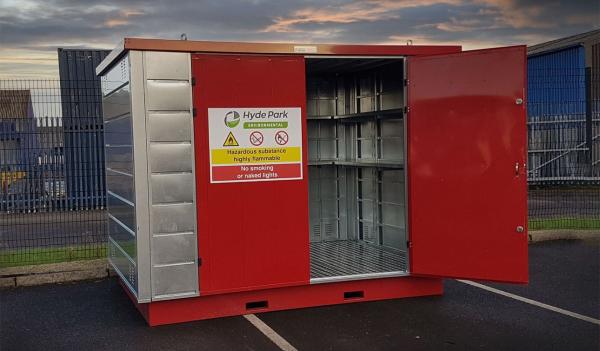
The types of hazardous substances that are used and stored on site can greatly vary between industries. Any workplace that handles or stores substances that may cause hazards to health are required to use a COSHH cabinet. If you wish to stay in compliance with COSHH safety regulations, you must store hazardous substances safely. What does COSHH really mean...