


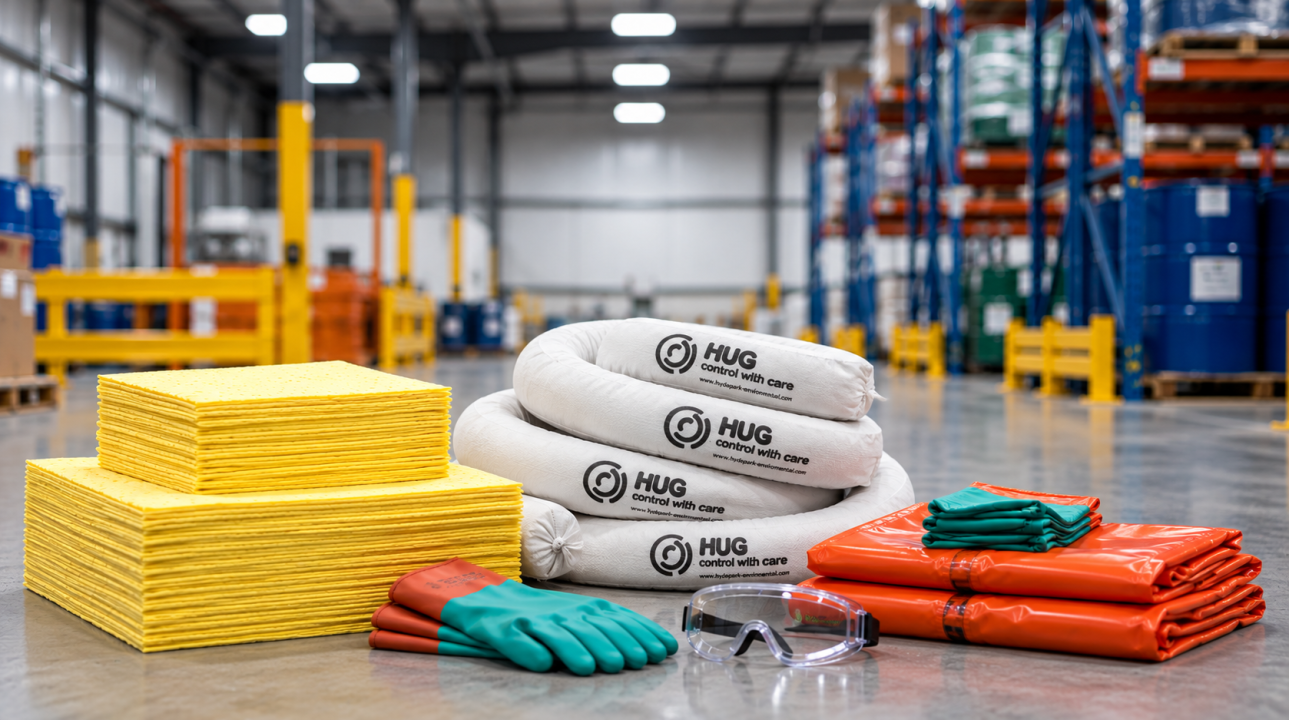
Keeping your workplace safe, compliant and prepared involves more than simply having equipment available. Businesses need to understand the risks associated with the substances they store and handle, have suitable control measures in place and ensure employees know what to do if an incident occurs.
This guide is designed to provide straightforward, practical information, the series will explore some of the key areas businesses should consider when reviewing spill preparedness, hazardous substance storage, environmental protection and site safety.
Understanding Your Responsibilities
Under the Control of Substances Hazardous to Health Regulations 2002 (COSHH), employers are required to assess risks arising from hazardous substances used within the workplace. HSE guidance states that these assessments should also consider arrangements for accidents, incidents and emergencies, including serious spillages, as well as risks associated with the storage, handling and disposal of hazardous substances.
For businesses storing dangerous substances, HSE guidance also highlights the importance of appropriate storage arrangements, emergency procedures, employee training and regular reviews of the controls in place.
Being prepared therefore starts long before a spill occurs.
Is Your Site Ready to Respond?
Businesses should understand which liquids are present on site, where they are stored and handled, and what could happen if a container leaks or a spill occurs.
HSE guidance on chemical storage recommends having suitable spill control materials readily available and ensuring they are appropriate for the substances being stored. Examples referenced by HSE include absorbent materials, sealing putties, booms and other measures for containing and clearing smaller spills where it is safe to do so.
This means considering whether your site has the correct spill kits, absorbents, drain protection and containment equipment positioned where it could be needed.
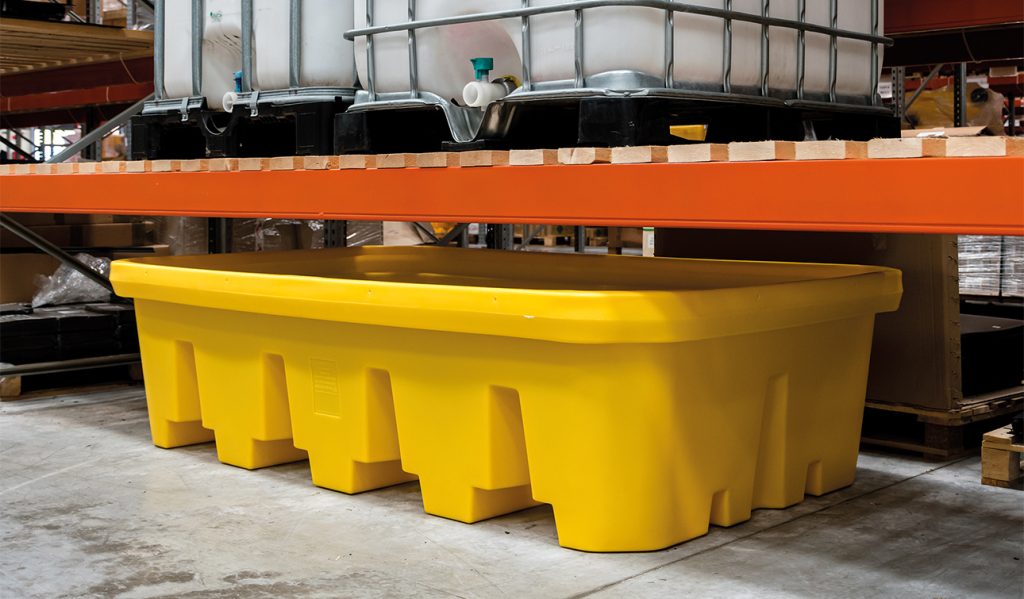
Where drums, IBCs or other liquid containers are stored, suitable secondary containment such as spill pallets, bunds and drip trays can also help prevent leaks or spills from spreading into surrounding areas.
Preparation Goes Beyond Equipment
Guidance emphasises that spill control procedures should be communicated to employees expected to respond to an incident. Businesses should therefore ensure staff understand where response equipment is located, how it should be used and what procedures should be followed.
Regular inspections can also help identify missing absorbents, damaged containment equipment, unsuitable storage arrangements or changing risks within the workplace.
Helping Your Business Stay Better Prepared
Throughout our Better Prepared series, we will break down key topics including choosing the correct spill kit, secondary containment, protecting site drains, hazardous substance storage and improving spill response procedures.
Each guide will combine practical advice with relevant industry and HSE guidance, helping businesses better understand the measures they should consider across their sites.
At Hyde Park Environmental, our aim is simple: provide straightforward expertise and practical solutions that help businesses reduce risk, protect their sites and stay better prepared.