


When it comes to storing oils, fuels, and chemicals, one of the most commonly referenced requirements is “110% bund capacity.” But what does this actually mean, and why is it so important for environmental protection and regulatory compliance?
What is a bund?
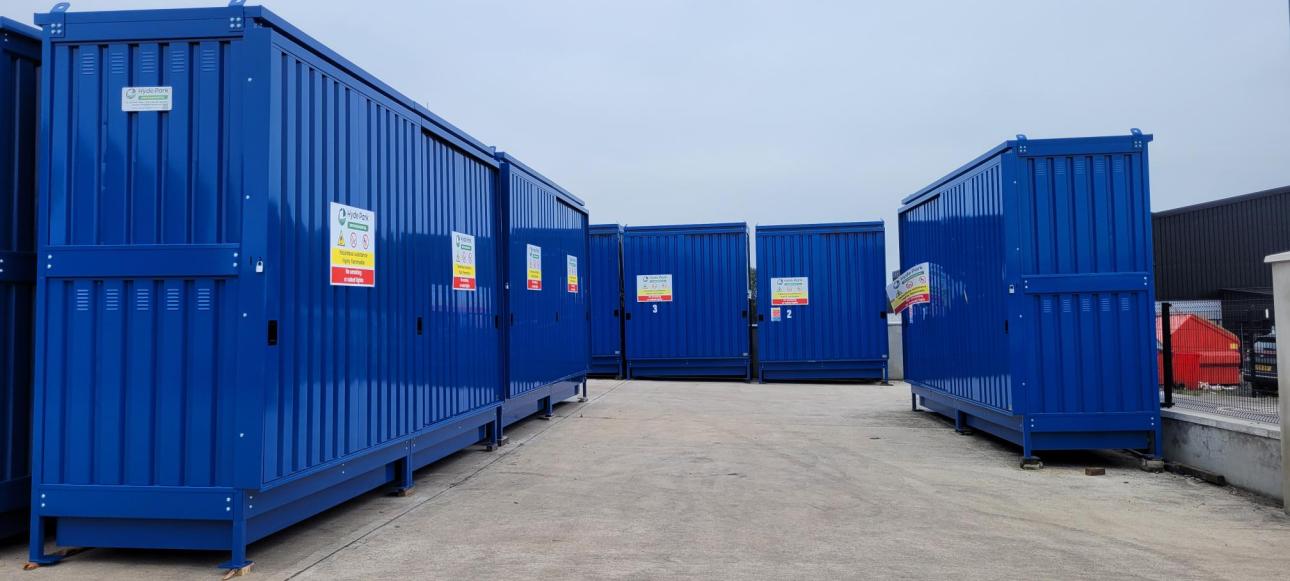
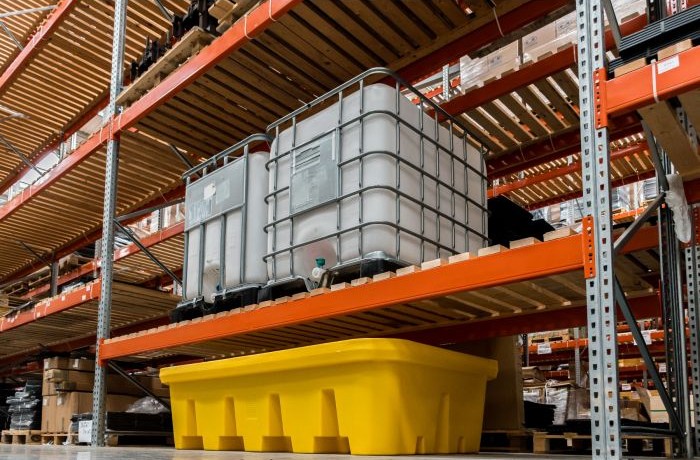
A bund is a form of secondary containment designed to capture leaks or spills from storage tanks and prevent them from reaching the surrounding environment. Typically constructed from impermeable materials such as concrete or steel, bunds are widely used across industrial, commercial, and agricultural settings.
Organisations such as the Health and Safety Executive (HSE) and the Environmental Protection Agency (EPA Ireland) emphasise that effective containment is critical in reducing the risk of soil and water contamination.
Understanding the 110% Rule
The “110% bund capacity” rule means that the bund must be able to hold at least 110% of the volume of the largest tank within it. For example, if you have a tank storing 10,000 litres of fuel, the bund must be capable of containing at least 11,000 litres.
This additional 10% is not arbitrary, it acts as a safety buffer. According to guidance from the Environment Agency, bunds should always allow for unforeseen circumstances that could increase the volume of liquid requiring containment.
Why the Extra Capacity Matters
The extra 10% capacity plays a vital role in real-world scenarios. Regulatory bodies including the Scottish Environment Protection Agency (SEPA) highlight several risks that bunds must account for:
- Rainwater accumulation within the bund
- Firefighting water during emergency incidents
- Overfilling or operational errors
- Sudden tank failure causing liquid surge
Without this additional capacity, there is a real risk of the bund overtopping therefore, leading to environmental pollution and potential legal consequences.
Compliance and Legal Expectations
In the UK, bunding requirements are closely linked to legislation such as the Control of Pollution (Oil Storage) Regulations. The Health and Safety Executive and environmental regulators stress that bunds must be:
- Structurally sound and impermeable
- Properly maintained and regularly inspected
- Sized appropriately for the stored volume
Failure to comply can result in fines, clean-up costs, and reputational damage, particularly where spills impact groundwater or nearby watercourses.
Common Mistakes to Avoid
Despite clear guidance, several common issues still arise:
- Undersized bunds following tank upgrades
- Failure to account for rainwater build-up
- Poor maintenance leading to cracks or leaks
- Incorrect assumptions about prefabricated bund compliance
The Environment Agency advises that bunds should be regularly inspected and any accumulated rainwater safely removed under controlled conditions.
Designing Beyond Capacity
While 110% capacity is a key benchmark, it is only one part of effective bund design. Best practice guidance from UK and Irish regulators highlights additional factors:
- Compatibility with stored substances
- Adequate wall height and structural strength
- Safe drainage systems and spill response planning
- Protection against impact or accidental damage
A well-designed bund should not only meet minimum standards but also support long-term operational safety and environmental protection.
Supporting Environmental Responsibility
Ultimately, bunding is about preventing pollution before it happens. By adhering to recognised standards and guidance from organisations such as the Environmental Protection Agency and the Scottish Environment Protection Agency, businesses can significantly reduce their environmental risk profile.
How Hyde Park Environmental Can Help
At Hyde Park Environmental, we specialise in helping businesses design, assess, and maintain compliant bund systems. From site surveys and capacity calculations to full containment solutions, our team ensures your storage infrastructure meets both regulatory requirements and industry best practice.
If you’re unsure whether your bund meets the 110% capacity rule, or want to improve your spill containment strategy, get in touch with our experts today.
Straightforward expertise, protecting your reputation.