


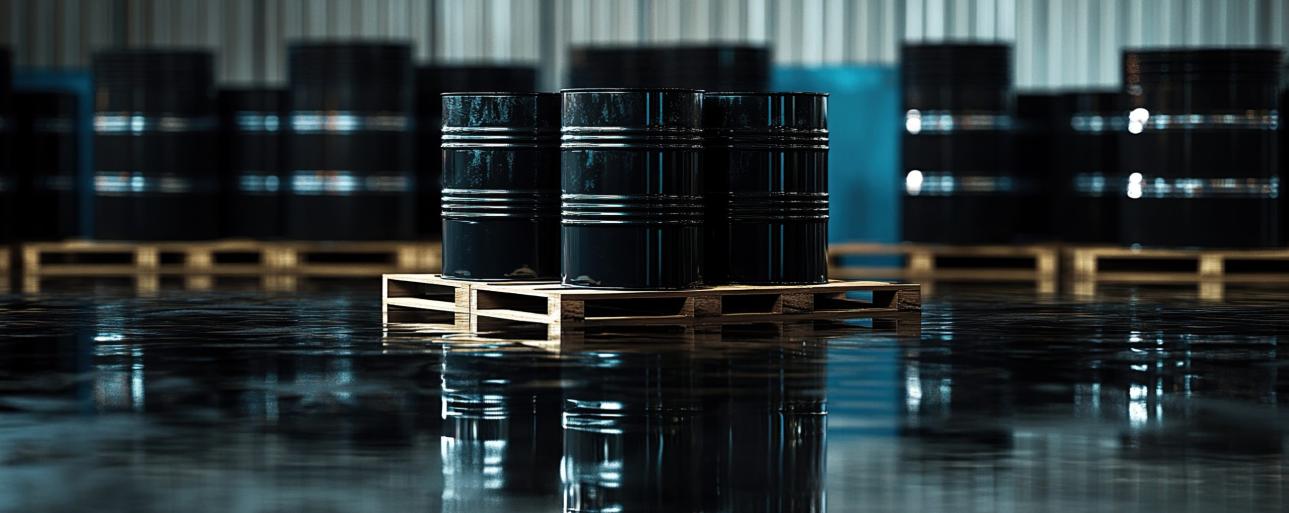
Oil or chemical spill, would you know the difference in the first five minutes?
Would your team reach for the right kit? Would you be confident you’re following current UK guidance?
Accuracy matters, treating an oil spill like a chemical spill (or vice versa) can increase risk, spread contamination, and leave your business exposed to regulatory consequences. Understanding the difference isn’t just good practice, it’s essential.
Oil Spills:
Oil spills typically involve fuels, lubricants, diesel, hydraulic oils and other hydrocarbons. These substances:
- Float on water
- Spread quickly across hard surfaces
- Pose slip risks
- Can cause significant environmental damage if they enter drains or watercourses
For oil spills, you need oil-only absorbents. These are specifically designed to absorb hydrocarbons while repelling water making them ideal for outdoor environments, near drains, or around waterways. Oil spill kits typically include:
- Oil-only absorbent pads and socks
- Drain covers
- Disposal bags
- PPE
Using general-purpose absorbents in these situations like this can be ineffective, particularly if water is present.
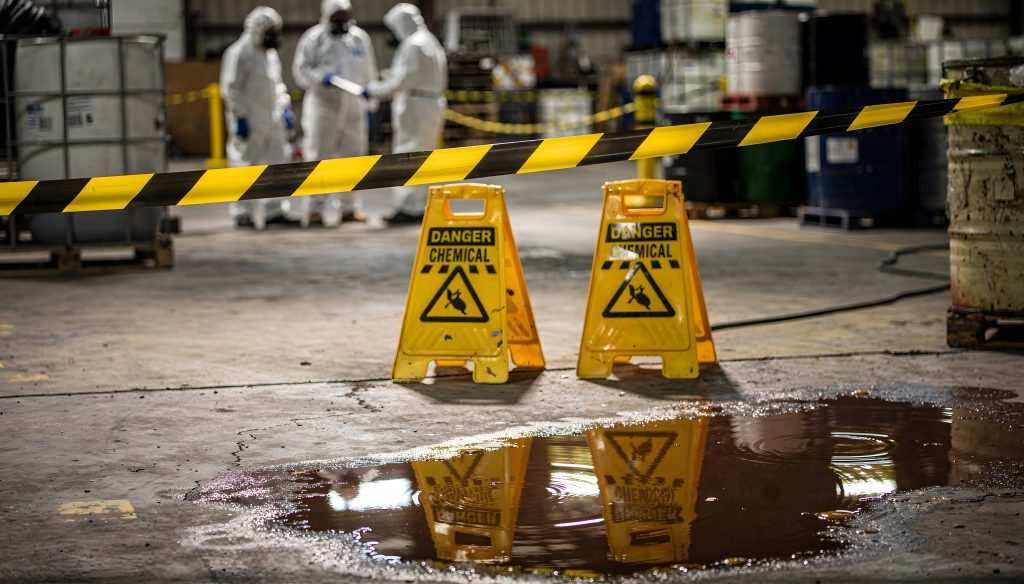
Chemical Spills:
Chemical spills are more complex. They may involve:
- Corrosive acids
- Alkalis
- Solvents
- Toxic liquids
- Reactive substances
Unlike oils, chemicals can present inhalation hazards, chemical burns, or dangerous reactions with other substances. The response depends entirely on the substance’s properties, as outlined in the Safety Data Sheet (SDS).
Chemical spill kits are therefore more versatile and may include:
- Chemical-resistant absorbent pads
- Neutralising agents (for acids or alkalis)
- Higher-grade PPE
- Clear hazard labelling
In short, oil spills are generally about environmental protection and slip control. Chemical spills add a layer of potential health risk and chemical reactivity.
What Does UK Guidance Say?
The Health and Safety Executive (HSE) stresses the importance of having suitable emergency procedures and the correct equipment in place for hazardous substances under COSHH regulations. Employers must assess risks and ensure proper containment and clean-up procedures are available.
Similarly, guidance promoted by the British Safety Council highlights proactive risk management including training, spill planning and having the right response materials readily accessible.
Environmental good practice guidance (such as pollution prevention principles) also makes it clear: spills must be contained at source to prevent entry into drains and watercourses.
Preparation isn’t optional. It’s part of compliance.
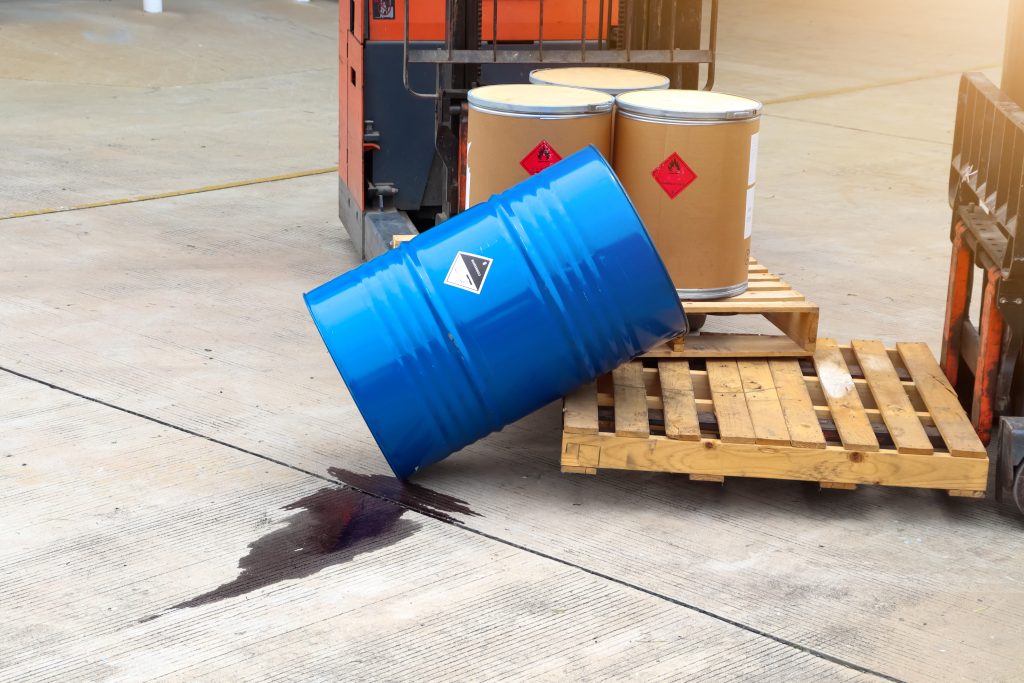
Why Preparation Makes the Difference
Having the wrong kit on-site is almost as risky as having none at all. A clearly labelled, substance-specific spill kit ensures:
- Faster response times
- Reduced environmental impact
- Safer clean-up for staff
- Demonstrable compliance with UK legislation
That’s where Hyde Park Environmental supports businesses across the UK.
We supply a full range of oil-only spill kits, chemical spill kits, absorbents, drain protection products, spill pallets, and containment solutions all designed to align with UK safety and environmental guidance. But it’s not just about products.
At Hyde Park Environmental, we help customers assess their site risks, choose the correct spill response equipment, and ensure they’re properly prepared, because effective spill response starts long before an incident occurs.
Oil or chemical knowing the difference matters.
And having the right partner in place makes all the difference too. Straightforward Expertise, Protecting your Reputation.
Contact us today for your specialised solutions.