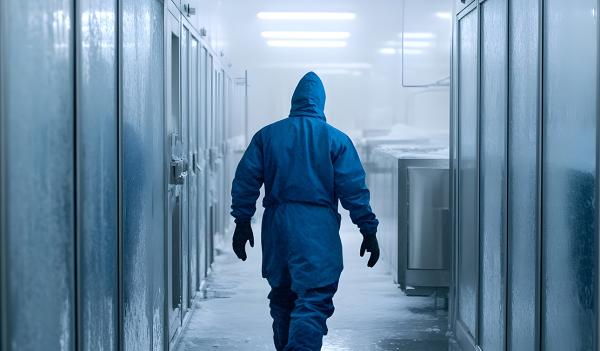
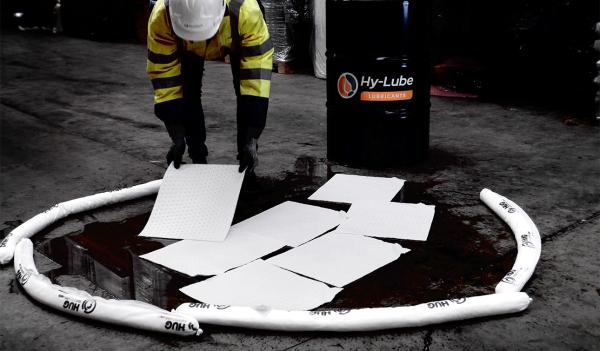
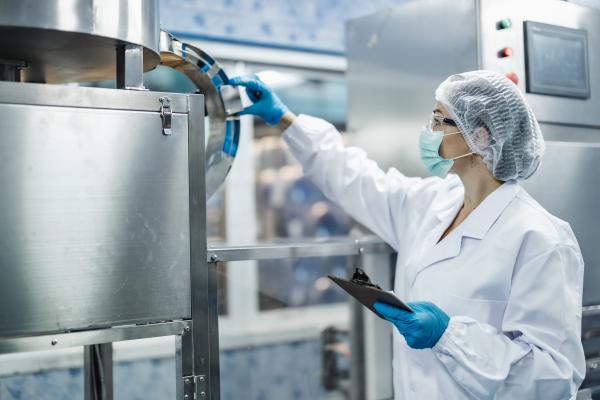
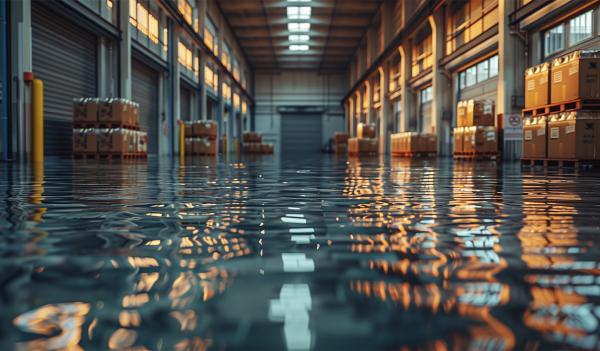
Pharmaceutical sites routinely store and handle a range of liquids, including solvents, active pharmaceutical ingredients, cleaning chemicals, oils, fuels, and waste streams. Many of these substances are hazardous, flammable, toxic, or environmentally harmful. A single spill can lead to: Contamination of cleanroom or production areas Product loss and batch rejection Regulatory breaches Environmental damage Health risks to employees Costly downtime...
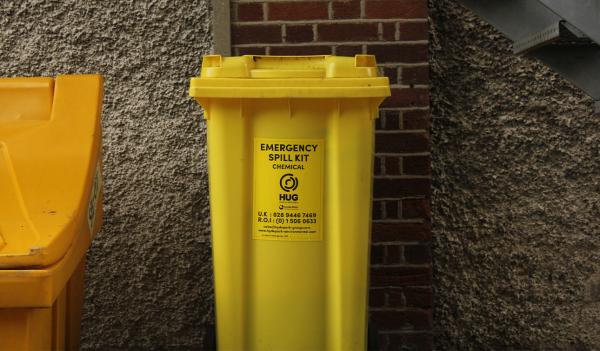
No matter the industry, engineering, aerospace, pharmaceutical; spills are an inevitable hazard that can threaten safety, compliance, and the environment. That’s why having the right spill response solutions on hand is essential. With Hyde Park Environmental, businesses get high-quality spill kits and resources designed for rapid, effective spill containment and clean-up. What Is a Spill Kit A spill kit is...
From maintenance hangars to manufacturing floors, aircraft systems depend on precise engineering, strict procedures, and an acute awareness of risk. Fluids such as jet fuel, hydraulic oils, coolants, and solvents are essential to operations but present significant hazards if accidentally released. That’s where high performance spill absorbents play a vital role and why leading aerospace manufacturers rely on solutions from...
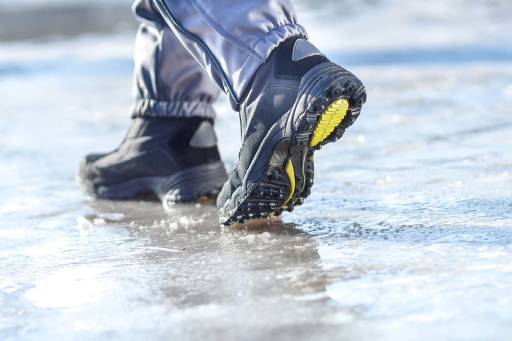
Winter brings more than freezing temperatures and snow-covered landscapes—it also introduces unique spill risks that can threaten safety, compliance, and the environment. From icy surfaces to brittle containers and increased equipment strain, colder months demand a proactive approach to spill control. At Hyde Park Environmental, we believe preparation is the key to prevention. Here’s your ultimate guide to staying spill-ready...
In pharmaceutical manufacturing, safety is not just a regulatory obligation, it forms the foundation of efficient, compliant, and responsible operations. With complex chemical processes, potent compounds, and stringent quality controls, pharma plants must be prepared to manage every type of emergency. Among the most critical preparedness measures is spill response training, which equips employees to act quickly, safely, and effectively...
Maintaining clean and hazard-free production floors is essential in the food and beverage industry, where hygiene, safety, and compliance are non-negotiable. From processing and packaging to storage and distribution, every stage of the workflow depends on a safe working environment that meets strict regulatory standards. One of the simplest yet effective tools in achieving this is the use of high-quality...
Winter delivers some of the most iconic flying scenes for the aerospace industry. However, on the ground, cold temperatures directly affect aircraft performance, flight operations, and runway safety—requiring airlines, airports, and flight crews to follow strict procedures to keep air travel safe, efficient, and on schedule. As temperatures drop, the risks associated with fuel, oil, hydraulic fluids, and de-icing chemicals...
When your site handles hazardous liquids, winter isn’t just cold — it’s high-risk. One slip, one containment failure, one unnoticed leak frozen under ice can quickly escalate into a serious incident. That’s where Hyde Park Environmental steps in with comprehensive spill control solutions, winter spill protection and cold-weather containment products designed to keep your operations safe, compliant and fully functional...
In pharmaceutical manufacturing, precision and safety go hand in hand. One small spill of a chemical or solvent can risk product contamination, worker injury, and environmental harm. As we move into 2025, pharmaceutical facilities face stricter compliance expectations under HSE and COSHH regulations — making a well-equipped spill kit an essential part of every site’s safety strategy. The Health and...
In the push toward zero-waste kitchens, much of the attention goes to packaging, food scraps, and composting. However, one challenge is often overlooked: liquid waste and spills (oils, sauces, cleaning fluids, wash water). Even small amounts- if rinsed straight into drains- can cause blockages, pollution, or regulatory penalties. In the UK, food businesses must not allow cooking oil to spill...
Pioneering Industry-Specific Solutions for a Safer, More Compliant Future We are proud to announce a strategic evolution at Hyde Park Environmental as we launch four newly defined specialist verticals: AEROSPACE PHARMACEUTICAL ENGINEERING FOOD AND BEVERAGE (F&B) This milestone marks a bold step forward from our broad sector approach to a more focused, expert-driven model. By aligning our services and solutions...
The United Kingdom is used to frequent rainfall, and in recent years we have experienced persistent heavy rain, storms and flooding. Now, the UK Met Office is predicting that England is again set to experience severe flooding in February 2023. These end of winter floods would be a result of a powerful pattern influenced by cooler temperatures in the Pacific...
In the UK, heavy snow and prolonged cold snaps are relatively rare but, as a result, when it does happen, we tend to find ourselves unprepared and exposed to the damage of the elements. Snow and ice can wreak havoc on pavements, car parks and other areas surrounding your facility. When this happens, businesses need to be prepared and take...